

Changes are natural and often expected as our pets get older.
They may not have the same lust for fetch anymore, or may have put on a few pounds (hey, haven’t we all!) Here are some pointers on how to manage your pet as they start sprouting their first grey hairs.
When is my pet a senior?
Pets age faster than people do. Ageing depends on species and size, but as a general rule of thumb;
- Cats can be considered seniors from the age of 8 to 10 years old
- Large breed dogs (25kg +) can be considered seniors from age 5
- Medium breed dogs (12kg to 25kg) can be considered seniors from age 6
- Small breed dogs (Up to 12Kg) can be considered seniors from age 7
Do I need to take them to the vet more often?
It’s a good idea.
We recommend senior health checks every 6-12 months. Just as people start having greater health needs and visit the doctor more as they age, our pets are the same.
What does a senior health check involve?
A wellness overview – your vet will ask you about any changes in behaviour, activity levels, eating/drink habits, changes in coat or skin, coughing or shortness of breath.
A physical exam – your vet will check your pets; heart, lungs, eyes, ears, and mouth. They will also feel/palpitate your pet’s abdomen, neck, head and musculoskeletal system for anything unusual.
Diagnostic tests – your vet may recommend blood, urine, or other tests.
Wellness recommendations – your vet may offer advice on diet and exercise, dental cleaning, flea/worming treatment, vaccination, grooming and medical issues.
What changes can I make at home for my senior pet?
- Switch them to a senior diet – Most senior diets contain easily digestible proteins, reduced calories for the less active retiree, and supplements such as omega-3 and green-lipped mussel for joint health. Your vet may also recommend a special diet to support medical needs, such as arthritis or kidney support. Make the switch gradually as recommended by the manufacturer.
- Keep their teeth clean – dental disease is very common amongst older pets. Book your pet in for a dental check if their teeth havent been checked in more than a year.
- Give them moderate exercise – this will help with weight management and keep muscles toned. Avoid doing things that put lots of pressure on the joints, like chasing balls and rabbits, and the ducking and diving play with other dogs.
- Maintain a familiar routine and environment to minimise stress
If there’s anything you’re concerned about, or you notice something new or different. Don’t hesitate to call!
What do I need to look out for in senior pets?
Arthritis
Arthritis can occur in older pets, especially if they sustain any joint injury earlier in life.
This can range from slight stiffness to being really debilitating – especially during colder months.
Acupuncture can help, and there are prescription foods that can be of benefit. There are also many natural supplements that are recommended (glucosamine, chondroitin, green lipped mussel), as well as vet-only prescription medications.
Don’t assume that it is “just old age” slowing your pet down, and there’s nothing you can do. Their symptoms could well be pain-related and easily managed.
If you have any concerns about your pet’s mobility, we recommend booking a vet check.
Dental disease
Dental disease can be an issue in pets of all ages, and it can lead to pain, infections, and even internal organ damage if not treated.
A dental check can be organised with a qualified vet nurse, or a vet. They will examine your pet’s teeth and talk to you about what they find. Your pet will have a dental grade/score, which ranges from 0 to 4.
Grade 0: No gingivitis or plaque. (This grade is usually only seen in puppies or kittens)
Grade 1: Mild gingivitis and plaque. This can be managed at home with brushing and appropriate diet choices, like dental biscuits.
Grade 2: Moderate tartar and gingivitis – a scale and polish procedure is generally recommended.
Grade 3: Heavy tartar and gum disease, including periodontal disease. These animals will be experiencing pain in their mouths. A dental procedure under a general anaesthetic is recommended.
Grade 4: Severe tartar, periodontal disease and mouth pain. Often, there is a loss of teeth due to infection. A dental procedure under a general anaesthetic is recommended.
Owners of older pets are often worried about procedures under anaesthesia, but there are many things we can do, such as pre-anasthetic blood testing, to ensure a safer procedure.
Hair and skin
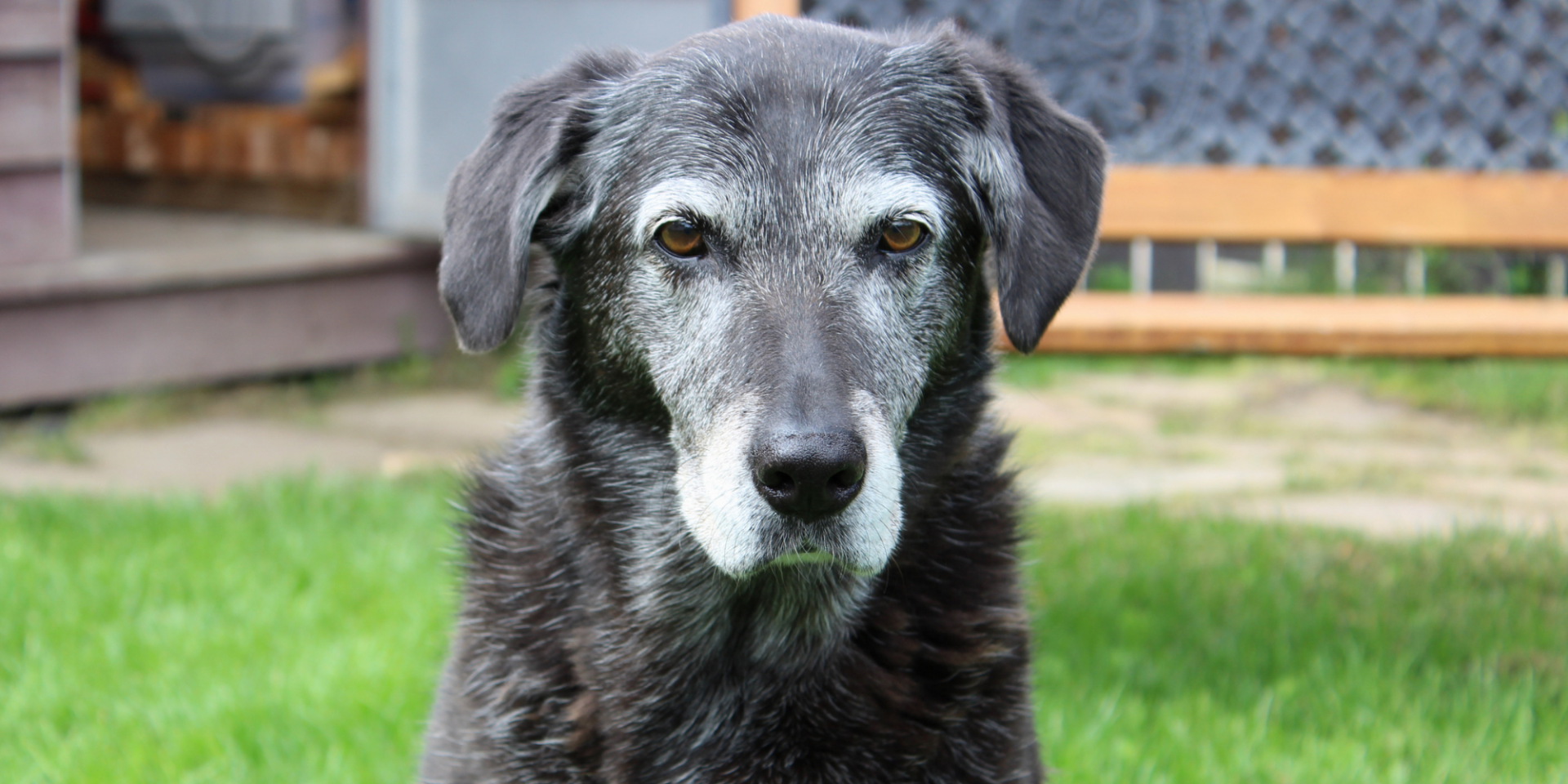
It is common for our pets’ hair to change colour – it may also become dull and coarse with age. This could indicate nutritional deficiencies, an underlying medical condition, or less ability to absorb certain nutrients.
Grooming can help remove old hair, as well as giving them some extra love and attention!
Our ageing friends can also develop some warts and lumps. They can often be benign, but if you are worried, come in and have a chat with us.
Hearing and sight loss
Loss of hearing and sight can sometimes be confused with bad behaviour. For example, your pet may not have heard or seen someone approaching, then act startled or respond aggressively. They may also fail to respond to commands, so your patience at times will be tested.
Any sudden loss of vision or redness/cloudiness in the eyes, however, should be evaluated by the vets at the clinic.
Weight change
Weight change is also often noted in elderly pets.
Metabolism and activity levels often decline, which decreases the need for calories. So, if food portions are not monitored, pets may become overweight. This can lead to high blood pressure, heart disease, diabetes, arthritis and a shortened life span.
On the other hand, weight loss can also be a problem and should be addressed in case of underlying diseases.
It is best for you to monitor your pets closely and discuss any new symptoms with us. Addressing any problems earlier rather than later, the use of medications and supplements and making some changes to your pet’s environment can help contribute to a happier and healthier lifestyle for our old mates.


