January can be a month covering all seasons – hot and dry to warm and wet to a spell of cold weather. What might be a good month for grass growth is also a good month for facial eczema spore development, parasite development (look out for barber’s pole), and flystrike.
February is the time to be extra vigilant!
FACIAL ECZEMA:
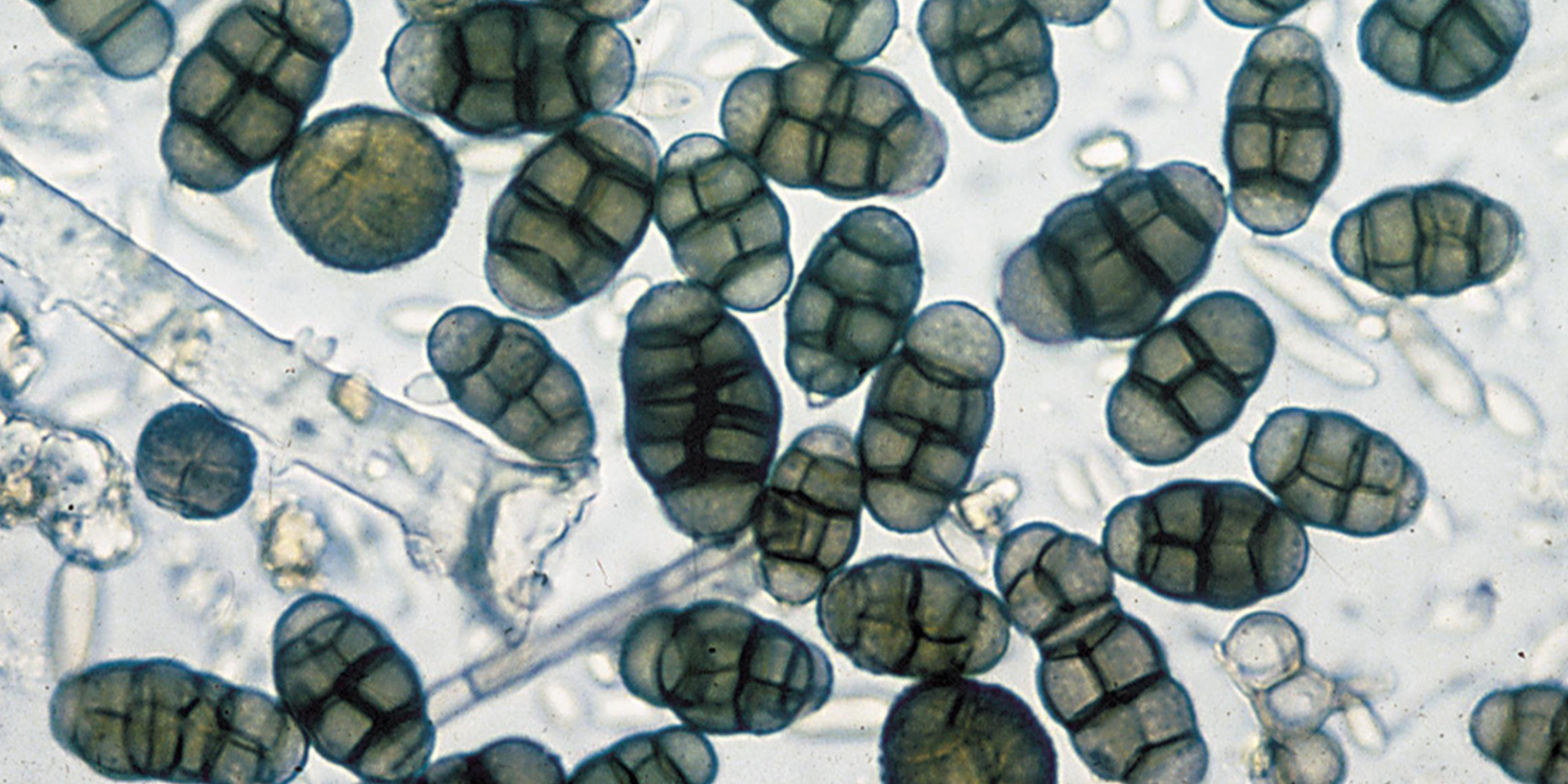
Ground level temperatures above 12°C for two to four nights in a row, plus moisture and dead pasture matter, can set off spore development.
Keep an eye on our FE bulletin on our websites and Facebook pages or start spore counting your own grass (bring grass samples to one of our clinics).
Photosensitivity damage to skin and the liver from FE is hard to treat and will cause production losses and welfare concerns which will be many times worse than the cost and effort to monitor spore numbers.
Once spore counts start nearing 20,000 or there are a number of lower counts for days in a row, start preventative measures. Feel free to talk to one of our large animal team for prevention options (like The Time Capsule from Agritrade) and strategies. See: ‘Facial eczema – all you need to know’
BARBER’S POLE (HAEMONCHUS CONTORTUS):
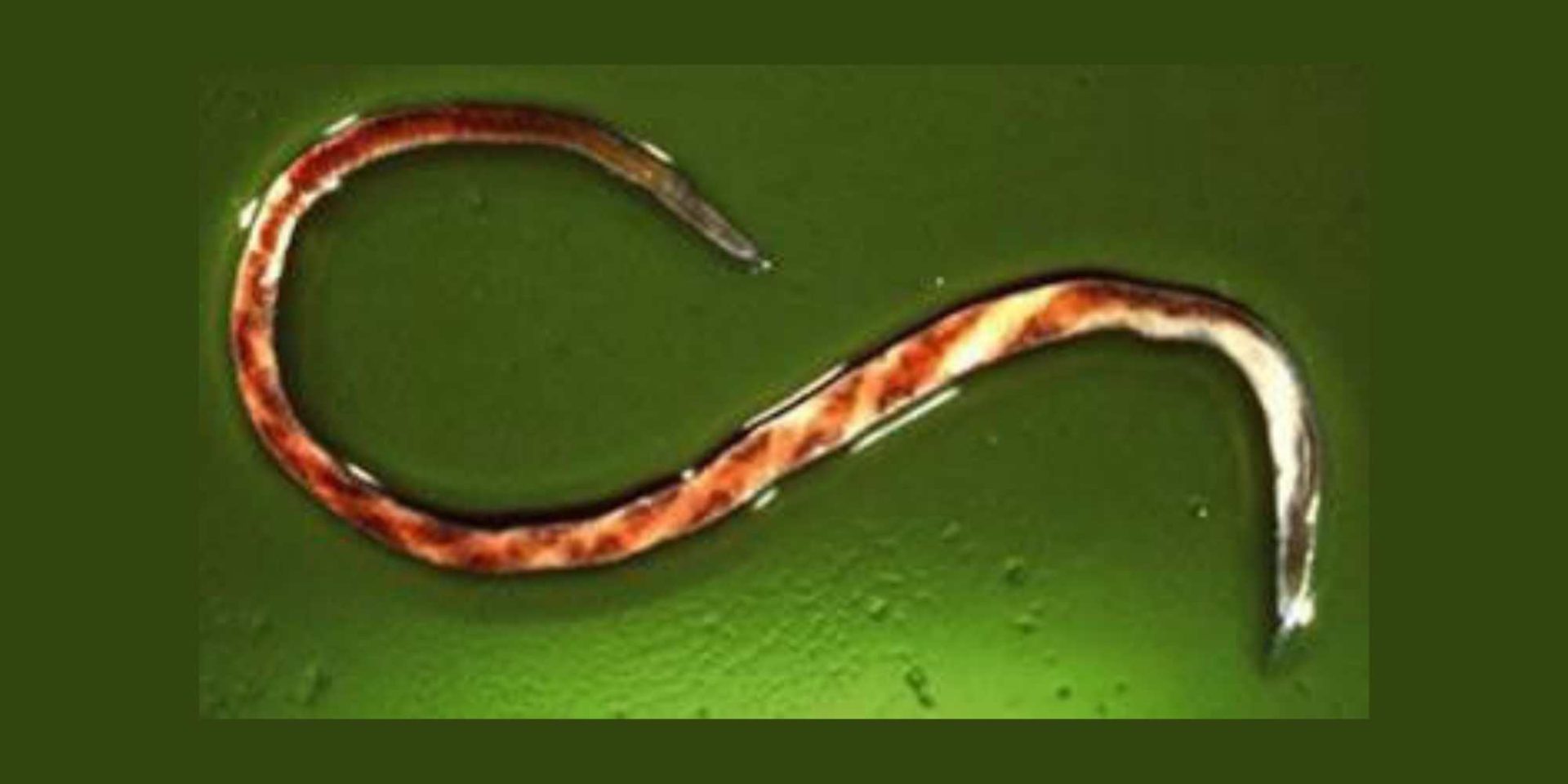
Monitor sheep for signs of lethargy, especially during mustering.
Get faecal samples from sheep that can’t keep up or from those that die during the disturbance. Faeces are often hard with no signs of scouring and sheep can still be in good condition. Bring the faeces into one of our clinics to check for parasite eggs.
A common trigger is rain following a dry spell, as eggs and larvae in dung pats can survive drought and then emerge en masse.
Most standard 28-day drench products will kill barber’s pole, but they may not have the persistency to protect against the worm for longer than 14 days – persistent drenches (e.g., Moxidectin containing drenches like Marathon® (LA Injection and Se Oral drench) from Alleva, Cydectin® from Zoetis and Ab-Clo from Agritrade) are often needed during high-risk periods. See: Barber’s pole worm.
FLYSTRIKE:
The best conditions for flystrike are warm humid weather, soil temperatures above 15°C with moist, soiled wool, especially around the breech, attracting blowflies to lay eggs.
Eggs can hatch quickly, leading to maggots burrowing and causing severe tissue damage, with risk factors like skin infections, dags, urine staining, and fleece rot making sheep vulnerable.
Monitor for signs of fly and signs of flystrike (tail twitching, stomping, rubbing/biting the area, dark/moist wool patches to sheep becoming depressed, lethargic, stopping eating, seeking shade, death).
Keep dagging up to date, control internal parasites and get rid of and bury dead animals. When using fly preventative products (like Cyroshield® liquid (+EP) and Diligent® Extra spray-on from Alleva and CLiK™ Extra spray-on from Elanco) make sure each animal is saturated down to the skin otherwise, the effectiveness and the persistency of the product used will be reduced, as will the product’s ability to prevent flystrike in the future (resistance development).
Remember this month will be one to be vigilant and to keep monitoring!