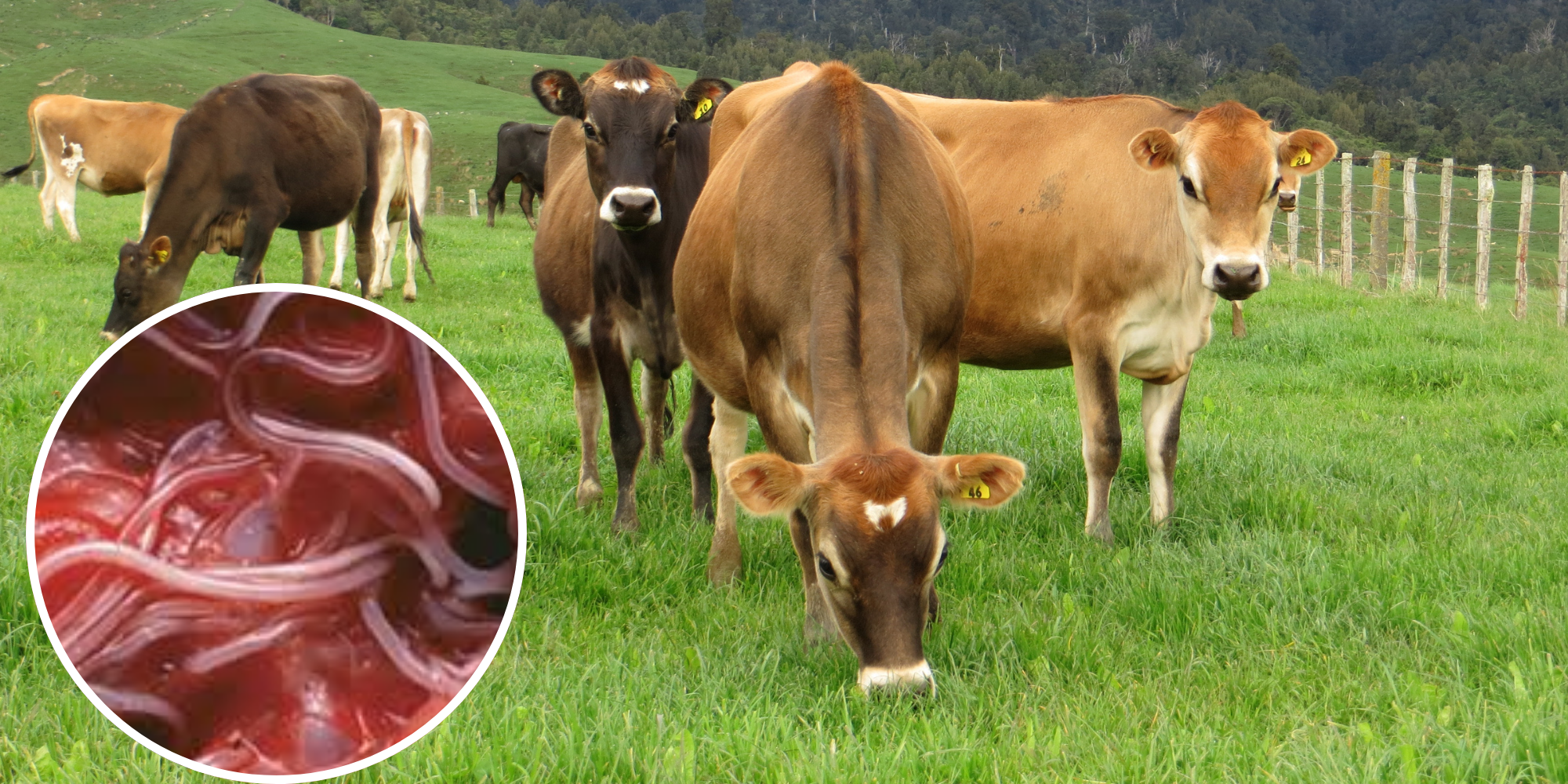
Warm and wet weather conditions are not only good for pasture growth, but are also good for the development of lungworm larvae.
Which stock classes are at risk?
Most lungworm outbreaks occur in mobs of weaned calves prior to 12 months of age. This occurs for two reasons;
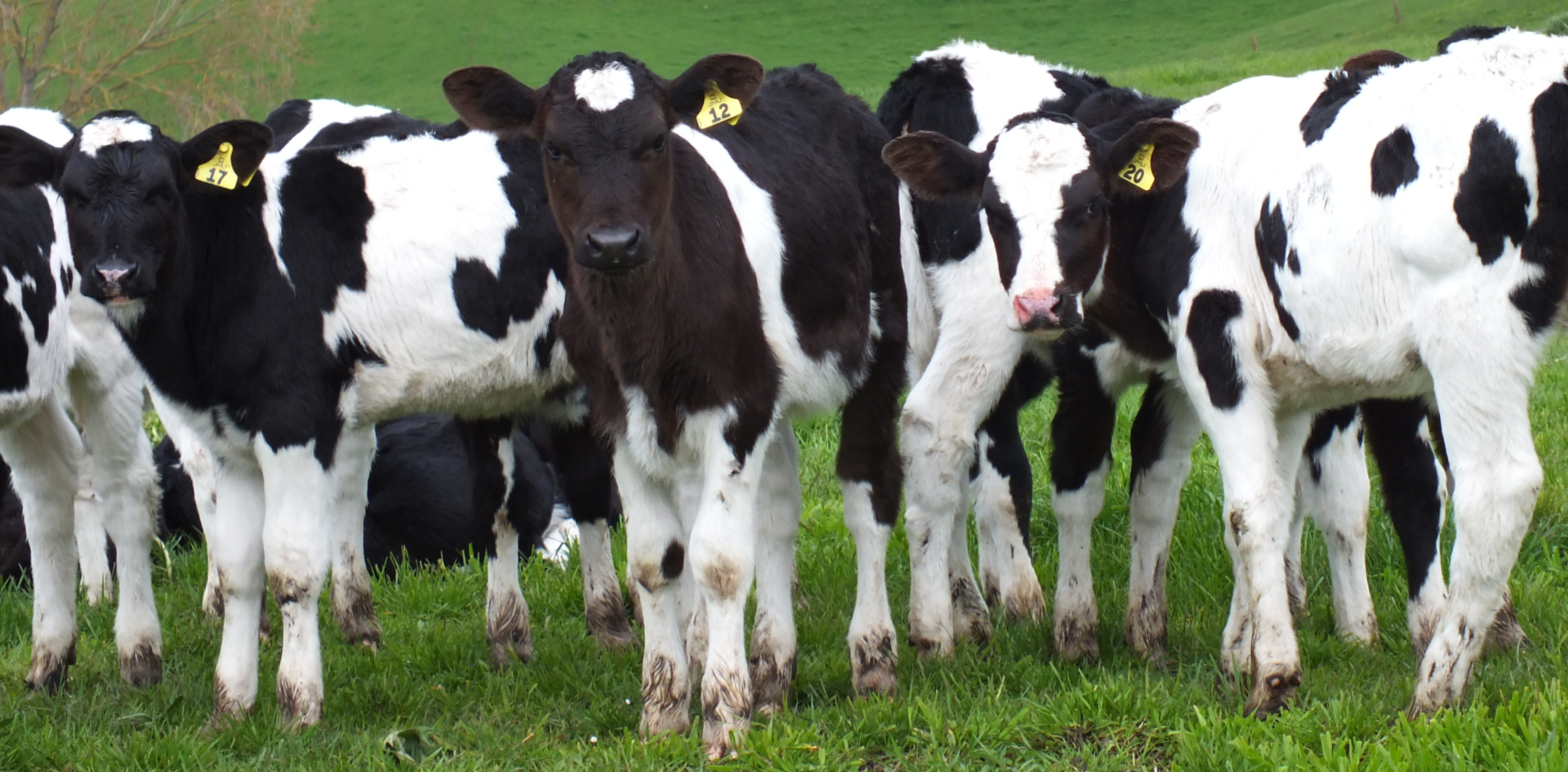
- Because they have not yet developed immunity to lungworm through exposure.
- because they are often faced with exceptionally high larval loads, when grazing pastures used solely for youngstock.
The other group of cattle we should be monitoring closely are your heifers. Typically, adult cattle will have developed immunity to lungworm through repeated exposure as calves, but this is not always the case.
Heifers reared with continuous drenching programmes (eg routine 4-6 weekly drenching events) may never receive enough natural lungworm exposure, for long enough, to elicit immune development. This can leave them susceptible when they are faced with high larval challenges.
Additionally, even where cattle have previously been exposed and acquired some immunity, the sudden and heavy lungworm larval levels caused by favourable weather conditions may still lead to an outbreak of disease.
What is the lungworm lifecycle?
Similar to gastrointestinal parasites, cattle ingest the third stage larvae (L3) alongside grass while they are grazing near dung patches.
These larvae then penetrate through the gut into the lymphatic system, moult to an L4, and enter the bloodstream.
By 7 days post-ingestion, larvae will have populated the lungs. At three weeks post-ingestion, egg production begins. Eggs are then coughed up and swallowed, where they hatch in the gut to become first stage larvae (L1), which pass out in faeces.
These L1’s shed to L2 and then become infective L3’s while on pasture, and the cycle begins again.
What happens within the animal?
Cattle respond to the presence of maturing lungworm in the lung tissue by facilitating an immune response. This response produces copious fluid and froth in the airways, which negatively affects breathing and causes the clinical signs we see.
In robust animals faced with only a low larval challenge, this immune response will result in lungworm death within a few weeks, allowing the animal to recover and to develop long term immunity. The next time the animal is faced with lungworm larvae, they can recognise them and mount an immune attack that kills them rapidly with minimal lung damage.
However, not all cattle will be out of the woods just yet. Up to 25% of naive cattle that have been affected (even once the lungworm has been killed) can go on to develop secondary bacterial pneumonia within the following 8 weeks, which can be very severe.
How will I know if my cattle are affected?
- Coughing, especially when the mob is shifted
- Increased breathing rates
- Nasal discharge
- Drooling
- Extended head and neck
- Reduced milk yields
- Sudden deaths
- Rough coats
- Reduced growth rates
- Poor body condition
Lungworm Risk factors:
- Use of the same calf rearing paddocks for consecutive years
- This facilitates the build-up of larvae in that area, as they can survive for a long time on pasture
- Warm-wet weather conditions (eg pre-Christmas and Autumn)
- Long drenching intervals
- Rotational grazing of young calves behind older calves
- Minimal cross grazing
- High stocking density
- Grazing low residuals results in more larval ingestion as the larvae are located in the base of the sward
- Grazing freshly cut hay/ silage paddocks
- The long pasture prior to baling, creates a sheltered microclimate that protects larvae at the base of the sward from drying out. Immediate grazing post-baling then allows for mass larval ingestion
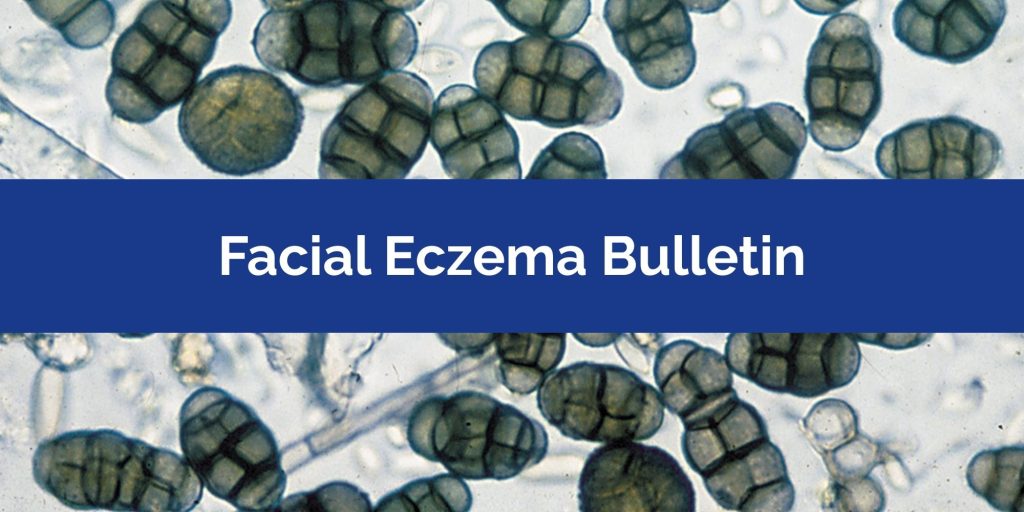
- Presence of pasture Fungus (Pilobolus klenii)
- This fungus aids in the spread of lungworm larvae by up to 3 metres over pasture from dung piles, increasing the likelihood that it is ingested by grazing cattle.
- Drenching plans that do not allow enough lungworm exposure to trigger immune development
- Eg 4-6 weekly drenching from weaning can prevent natural exposure to lungworm and inhibit normal immune development, making outbreaks possible when the mob is later exposed to larvae
- Stress events
- e.g., trace element deficiency, poor nutrition, bad weather, concurrent illnesses, etc., all make cattle more likely to succumb to parasitism
If I suspect my cattle have lungworm, what should I do?
Anthelmintic administration is the mainstay of lungworm treatment. Thankfully, most mectin-based drenches are highly effective, with no current reports of resistance. Best results are achieved by drenching early in the course of disease before structural damage to the lungs occurs, as well as to limit further larval contamination of the pasture.
You may be tempted to just drench them and see how they go, however, drenching of heavily infested cattle can cause respiratory symptoms to worsen as the killed parasites can accumulate in the airways.
Severely affected animals often require additional treatments to minimise the inflammatory reaction to the larvae and to treat any secondary infections.
How do we test for lungworm?
A diagnosis can be made by conducting a faecal larval count using the Baermann technique, which can be requested through any of our clinics.
This test differs from a standard faecal egg count (FEC) as it checks for the presence of live lungworm larvae as opposed to eggs.
When collecting poo for this test, it must be tested on the day you collect it and cannot be refrigerated, the larvae will die and become impossible to detect.
An alternative method of diagnosis is through the direct visualisation of adult worms in the lung tissue of affected cattle, for example, during postmortem examination by one of our production veterinarians.
If you suspect that your cattle are affected by lungworm, please give us a call. We are always on hand for advice.