Our top tips for caring for older pets
1. Joints
When it comes to joints, there are a couple of handy sayings – rest equals rust, and use it or lose it.
Having said that, our older pets can also overdo it more easily, and sometimes we need to step in and make sure they don’t end up feeling worse for wear after exercise.
Slowing down and stiffness are usually because of wear and tear in the joints (osteoarthritis) and losing muscle. That means your dog might not be able to walk or run as far as before.
Tips for dogs
If you can, breaking up their daily exercise into 2 or 3 shorter daily walks rather than one long one is really helpful. No weekend warrior stuff!
Walking in water or swimming can be good if you can find a place where they don’t have to scramble over a lot of rocks to get there, but only during warmer weather, and keep to shorter sessions.
Playing games like fetch, ball throwing and frisbee are really tough on joints. If your dog is a fetching addict, try taking their toy of choice and hiding it instead (in long grass, for example), then letting them find it. They still get to interact with their toy, but without causing more damage or pain in their joints.
Tips for cats
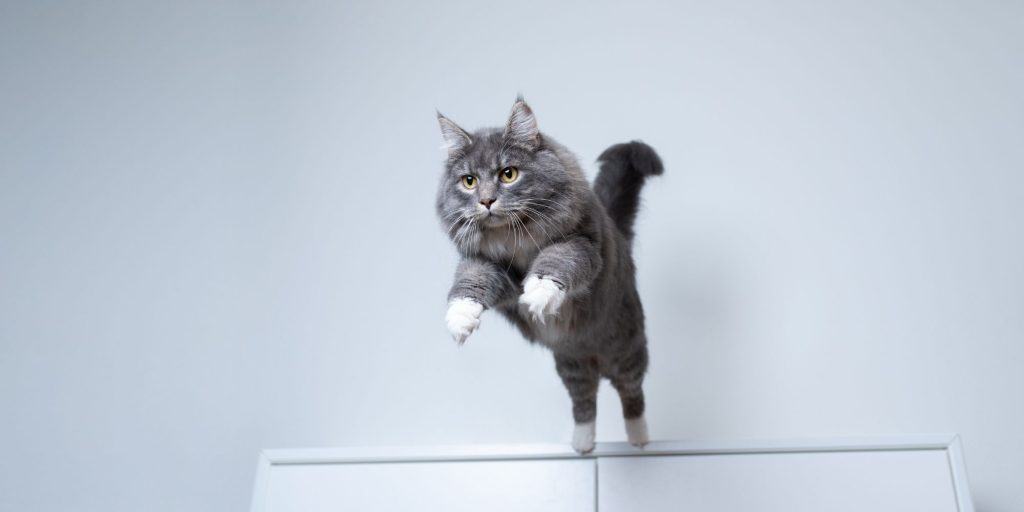
For cats, encouraging them to exercise can be a bit more difficult. If they still like to play, that’s great, but try to avoid jumping up and down and fast twists and turns.
If they don’t like playing any more, taking them out into the garden with you when you go to hang out the washing or pull weeds is nice gentle exercise and stimulation for their mind. Even if they wander straight back inside, it’s more exercise than they would have gotten before!
If you notice your pet limping, looking stiff when they get up after a sleep, taking a while before they jump or no longer jumping at all, or has shaking legs or a twitchy back, this is a sign that they could be in pain. Please give us a call so we can make a time to check them over for you.
2. Weight
Keep a close eye on their weight, and please don’t be coerced into giving them lots of treats if they’re on the chubby side!
Being overweight means the joints are under much more pressure, plus they’re more likely to have other problems like diabetes or heart disease.
We’re also concerned if they seem to be losing weight for no reason, as that can be a sign of underlying problems.
Please book in for a checkup if they’re getting thin, or if they don’t have a waistline.
3. Food
There are specially-made diets for older pets.
They contain easily digestible proteins, fewer calories for the less active retiree, and supplements such as omega-3 oils and green-lipped mussel for skin and joint health.
There are a few options available at the clinic, and we can help you choose.
4. Drinking
If your pet seems thirstier than they used to be, it can be a sign of health issues like kidney disease or diabetes.
If you notice they’re visiting the water bowl more frequently or for longer, try to measure how much water they drink in a day (tricky if you have more than one pet, we know!).
Either way, please bring them in for an appointment if they’re drinking a lot (or you think they might be).
5. Coats and skin
Using a soft brush or grooming mitt improves coat health and is a gentle massage to the skin and muscles underneath. They’ll love the relaxing time with you!
It’s also a good opportunity to check their skin for any new lumps or changes to pre-existing ones. It’s a good idea to measure lumps so we can tell if they’re growing over time. You can do this at home by putting a ruler next to it and taking a picture, or ask us to record it at their annual visit.
New lumps, lumps that are growing, changing colour or turning into sores are always important to have checked.
An older cat that’s struggling with grooming may be having pain, joint or mobility issues, making it hard for them to reach around and give themselves a wash. They might also need some attention for their mouth and teeth. This is worth discussing with your vet.
6. Teeth
Older animals have more dental disease than younger ones (just like we’re more likely to end up with having teeth out ourselves as we get older, except we can get falsies!).
Inflamed, red gums, tartar and cavities are better to get on top of as soon as you can, because they can lead to much bigger problems if they’re left untreated. As in humans, prevention is key! If your pet has bad breath or you notice red gums or brown teeth, please book in for a dental appointment.